Magnetic Hyperthermia Equipment
Alternating magnetic field applicator for magnetic hyperthermia studies, used to evaluate heat generation by magnetic nanoparticles for cancer theranostics.
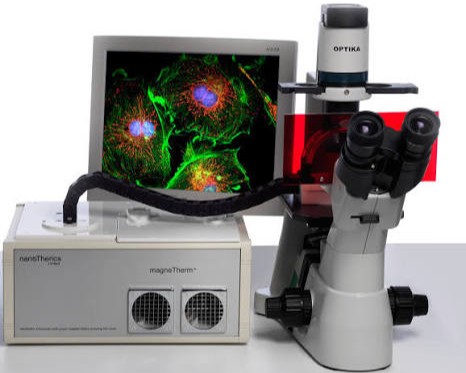
The Regenerative Biomaterials and Theranostics Laboratory maintains a dedicated instrumentation suite for polymer processing, nanomaterial synthesis, mechanical and thermal characterisation, and biological evaluation.
Alternating magnetic field applicator for magnetic hyperthermia studies, used to evaluate heat generation by magnetic nanoparticles for cancer theranostics.
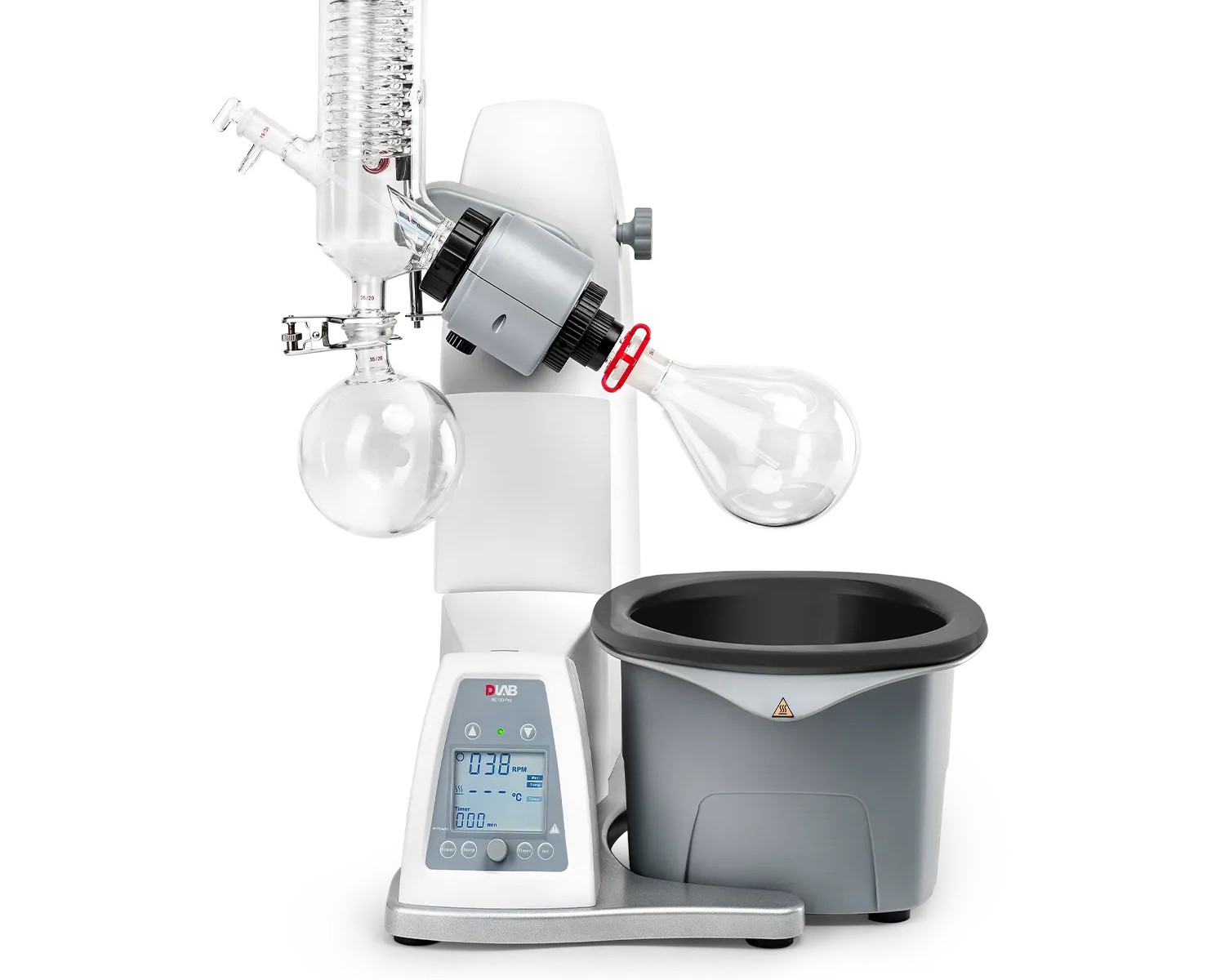
Solvent removal and sample concentration under reduced pressure for polymer, nanoparticle, and biomaterial processing.
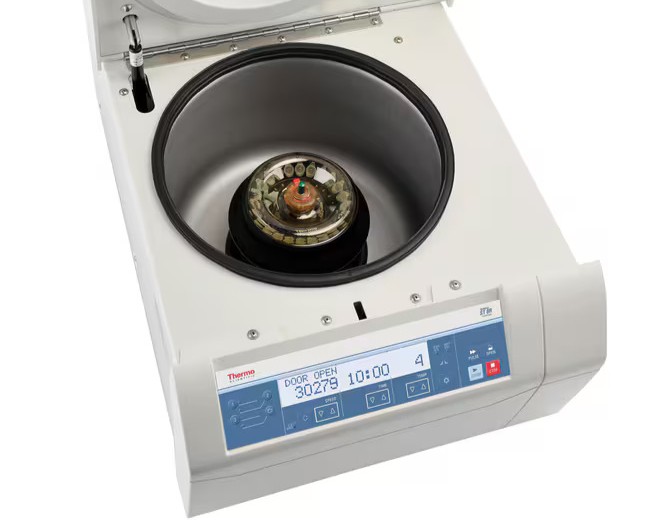
High-capacity refrigerated centrifugation for sedimentation and purification of cells, nanoparticles, and polymer dispersions.
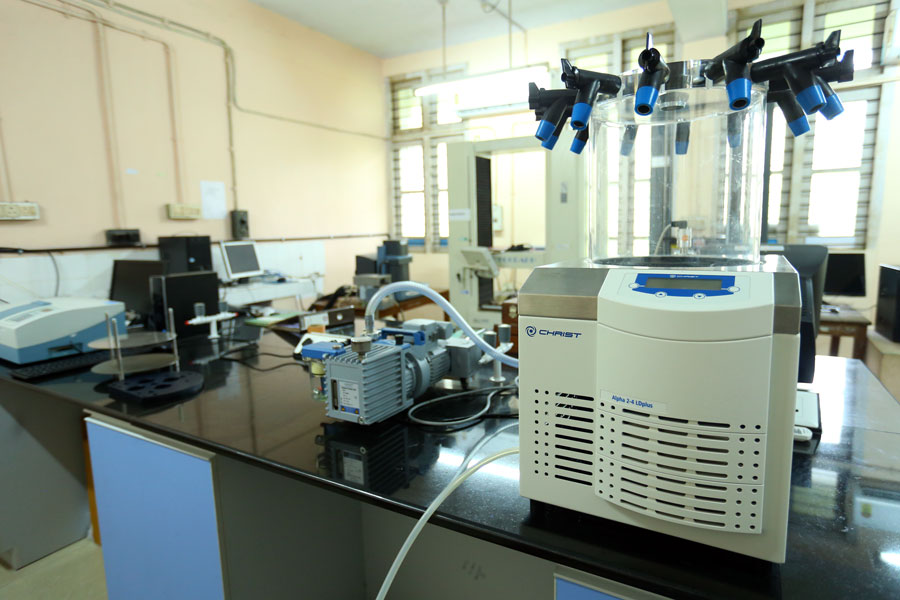
Freeze-drying of hydrogels, scaffolds, and nanoparticle formulations to preserve structure and stability for storage and application.
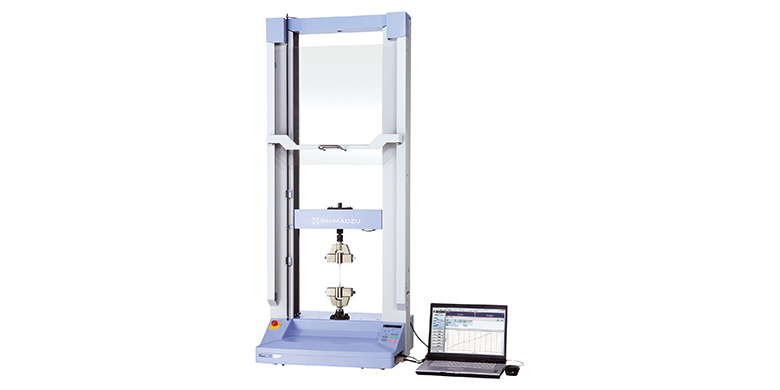
Mechanical characterization of polymers, scaffolds, and implants under tensile, compression, and flexural loading to assess biomechanical performance.
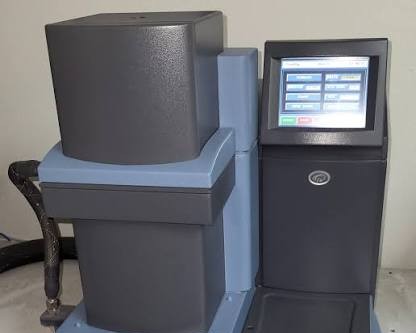
Measurement of viscoelastic properties (storage/loss modulus, tan delta) across temperature and frequency for polymer and hydrogel systems.
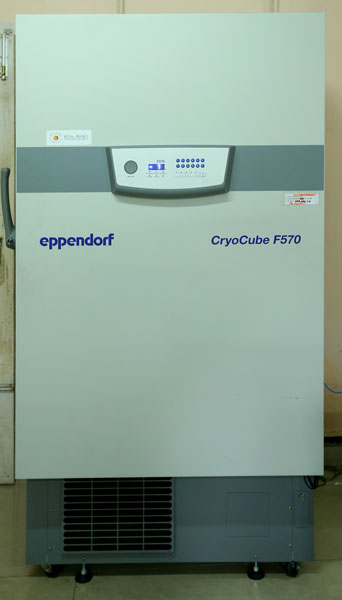
Ultra-low-temperature preservation of cells, biological scaffolds, and temperature-sensitive reagents at -80 degC.
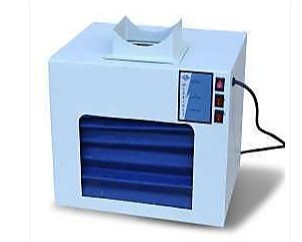
Controlled UV irradiation chamber for photo-crosslinking, sterilization, and photocuring of polymeric and hydrogel materials.
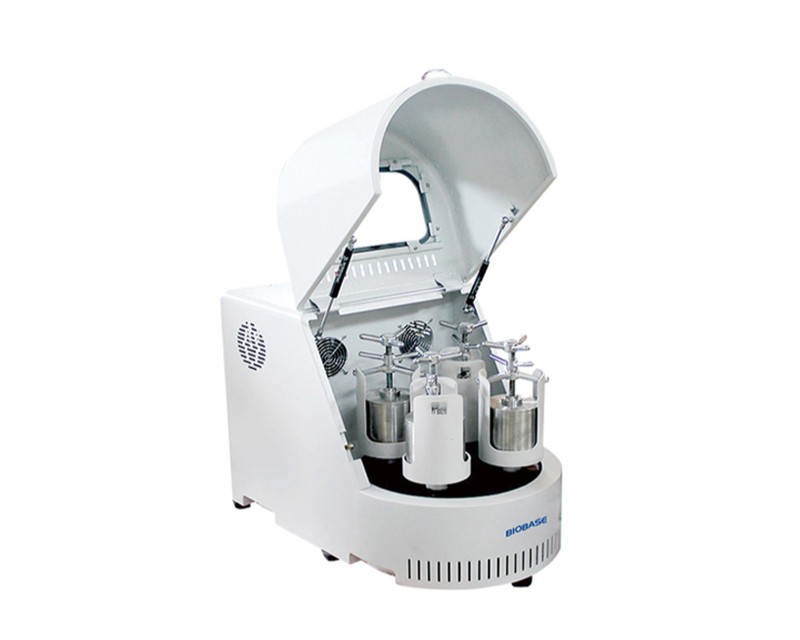
High-energy milling for fine grinding and homogeneous mixing of powders and nanomaterials used in composite fabrication.
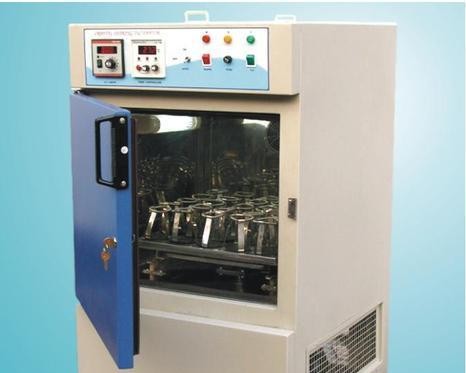
Temperature-controlled orbital shaking for cell culture, microbial growth, and solution-phase synthesis under optimized conditions.
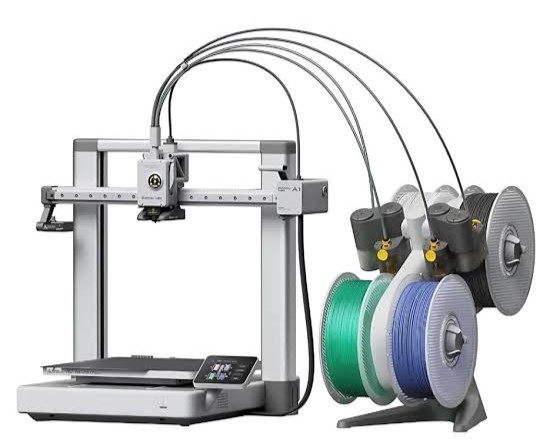
Fused deposition modelling of patient-matched scaffolds and implant architectures from biodegradable polymer filaments.
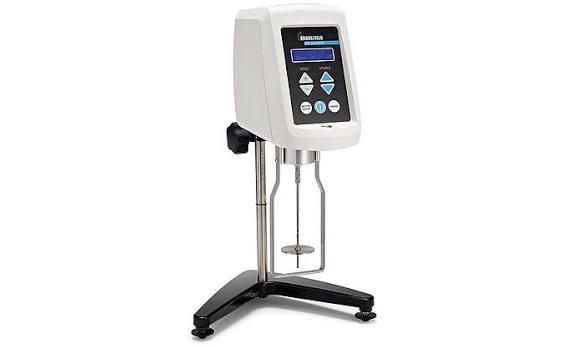
Rotational viscometry to quantify the flow behaviour and viscosity of polymer solutions, gels, and dispersions.
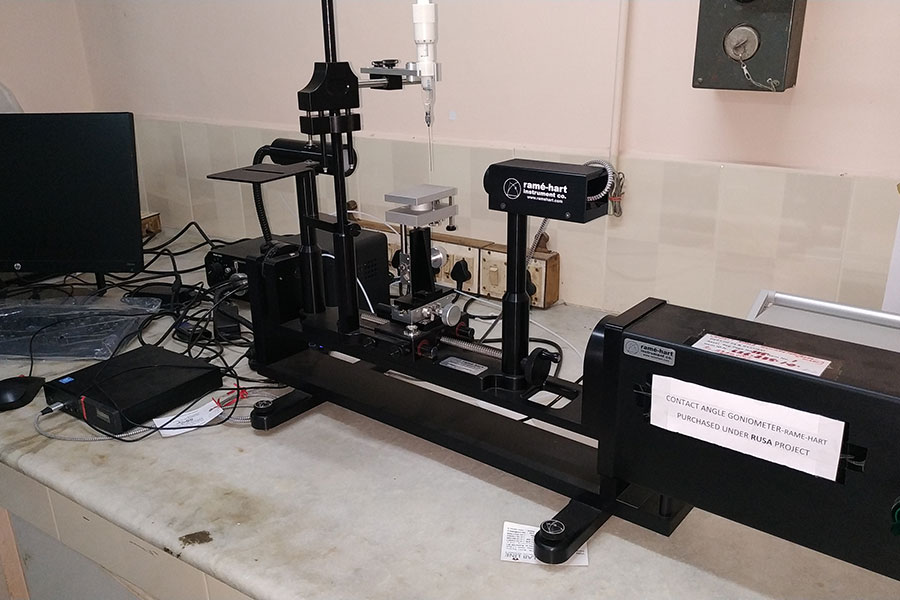
Surface wettability and interfacial energy analysis of biomaterial films, coatings, and scaffolds.
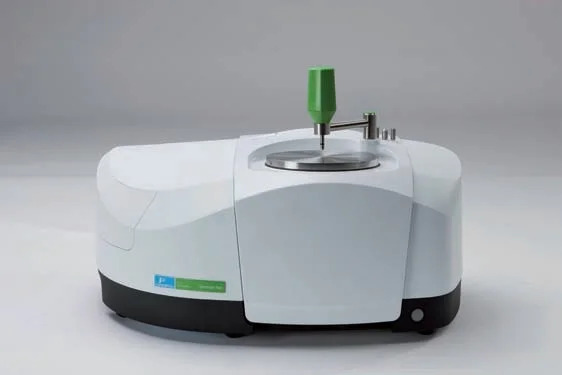
FTIR spectral analysis for chemical identification, functional group characterisation, and confirmation of polymer/nanocomposite structure.
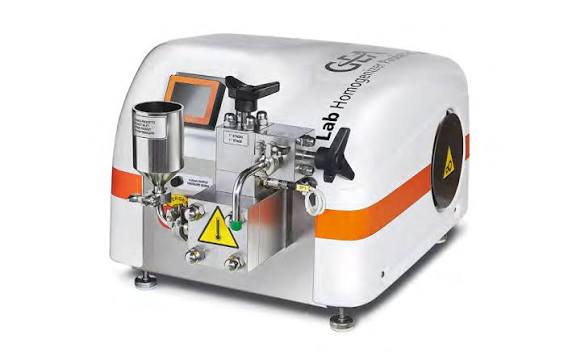
High-pressure homogenisation for nanoemulsion and nanoparticle size reduction with uniform dispersion for drug delivery formulations.
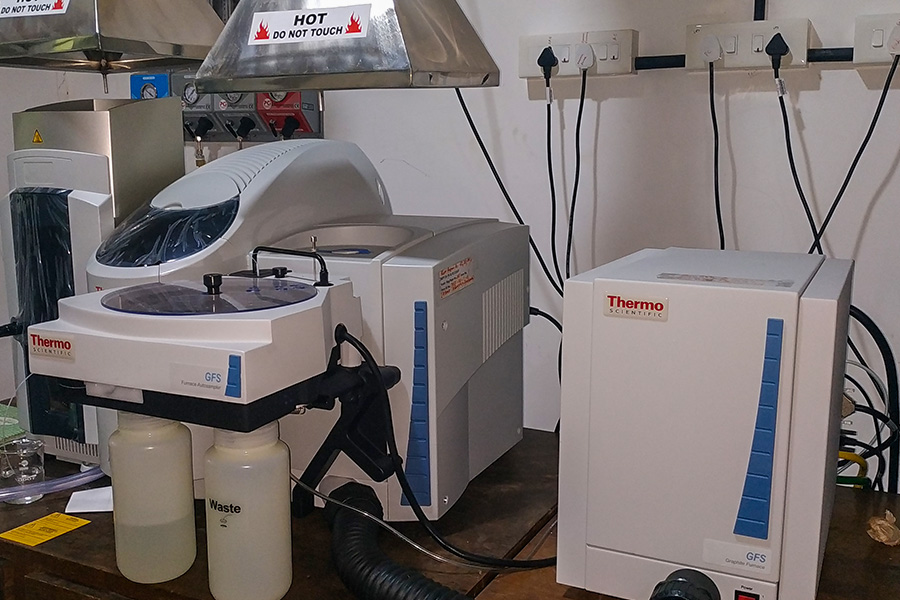
Quantitative trace-metal analysis (e.g., drug release quantities and elemental composition) for quality control of formulations.
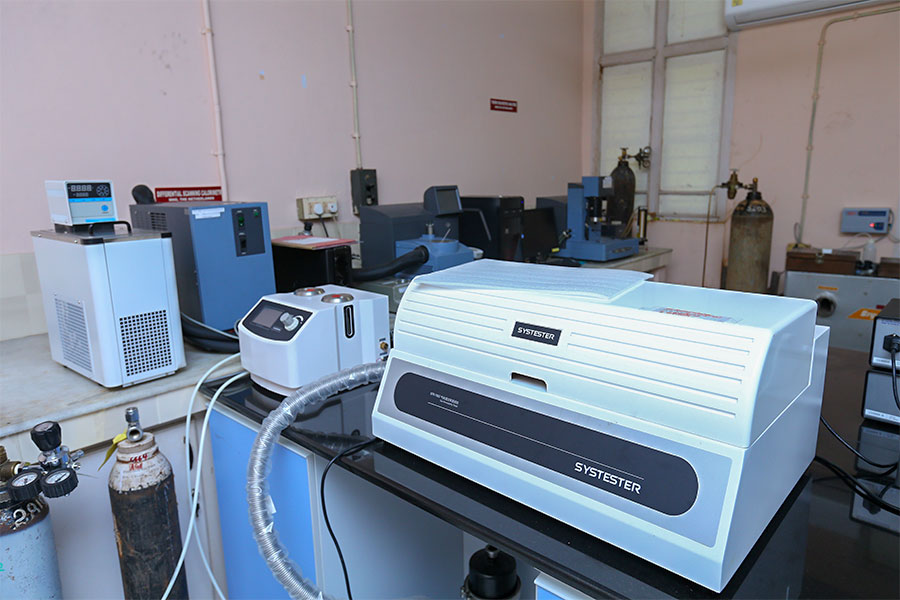
Determination of gas transmission rates across polymer films and membranes for packaging and barrier applications.
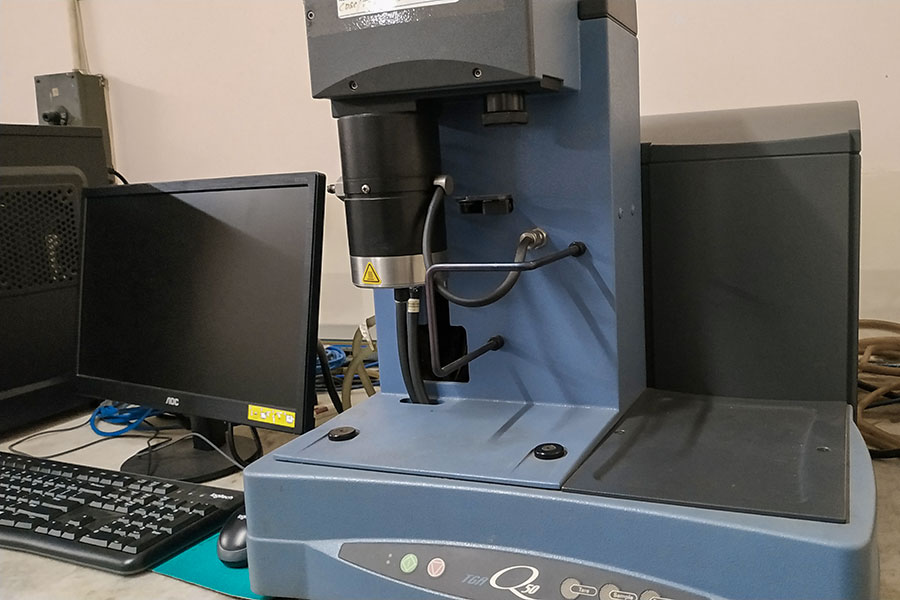
Thermal stability, decomposition, and composition profiling of polymers, nanotubes, and composites under controlled heating.
For instrumentation requests or collaborative access, contact the laboratory.